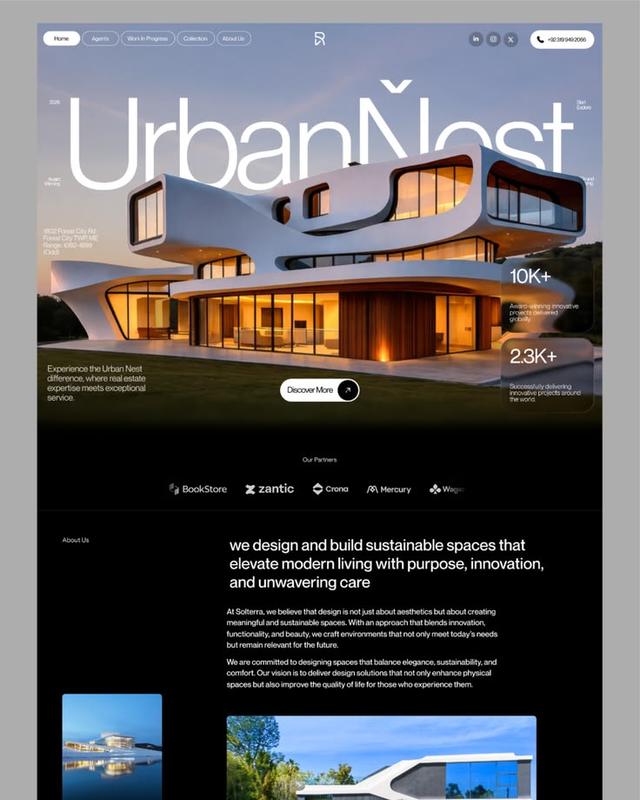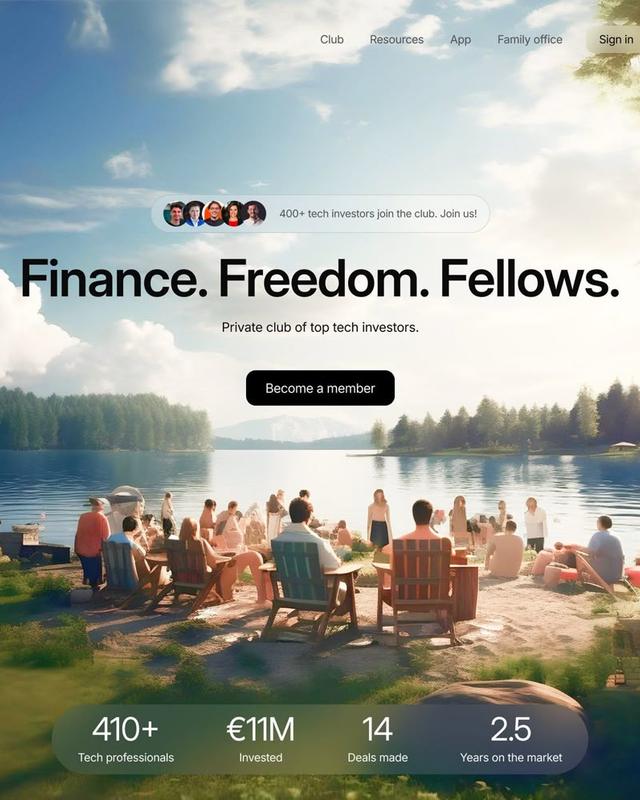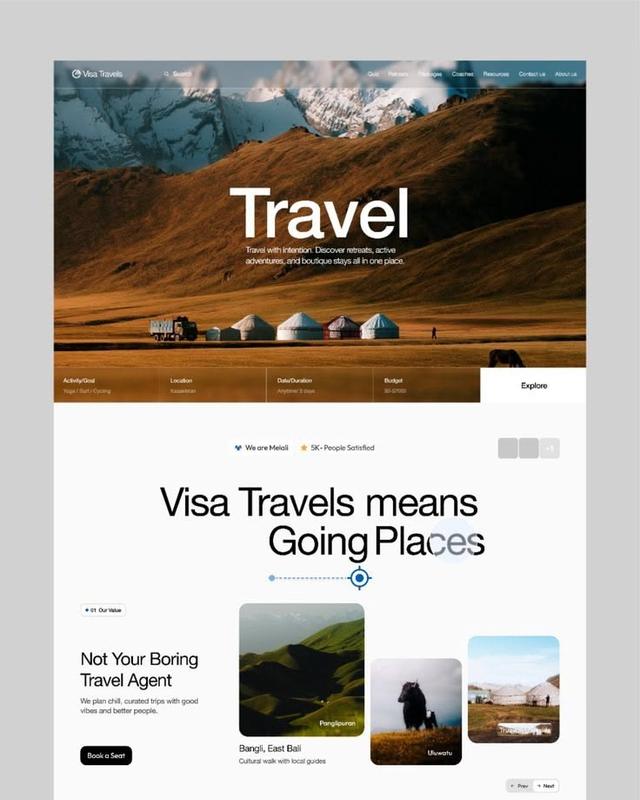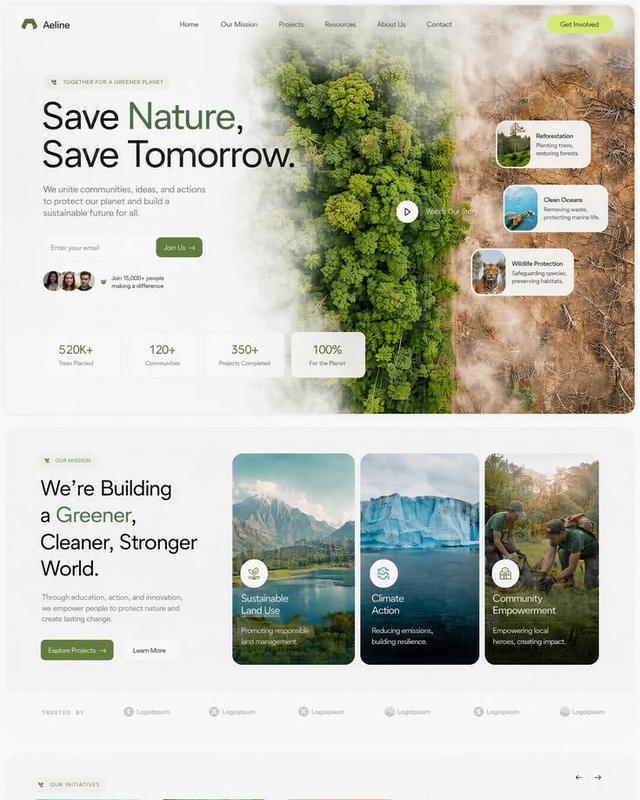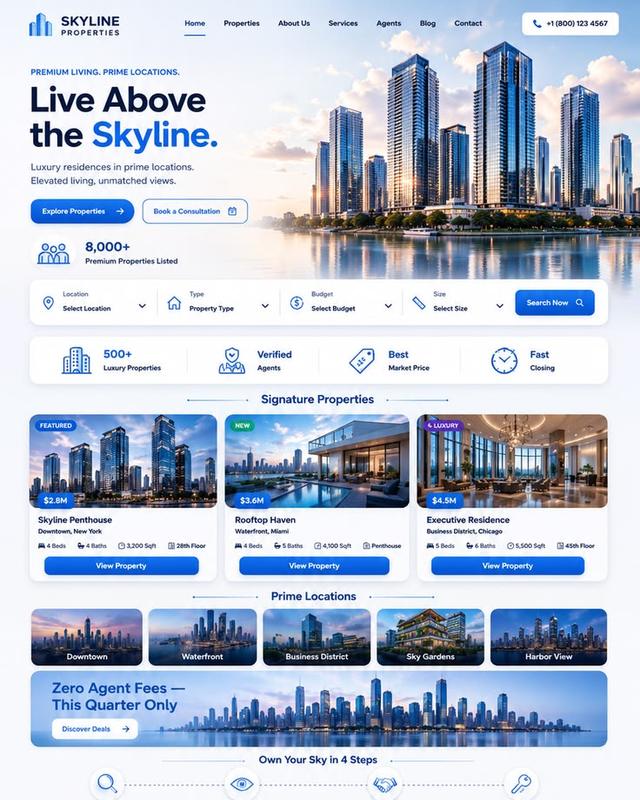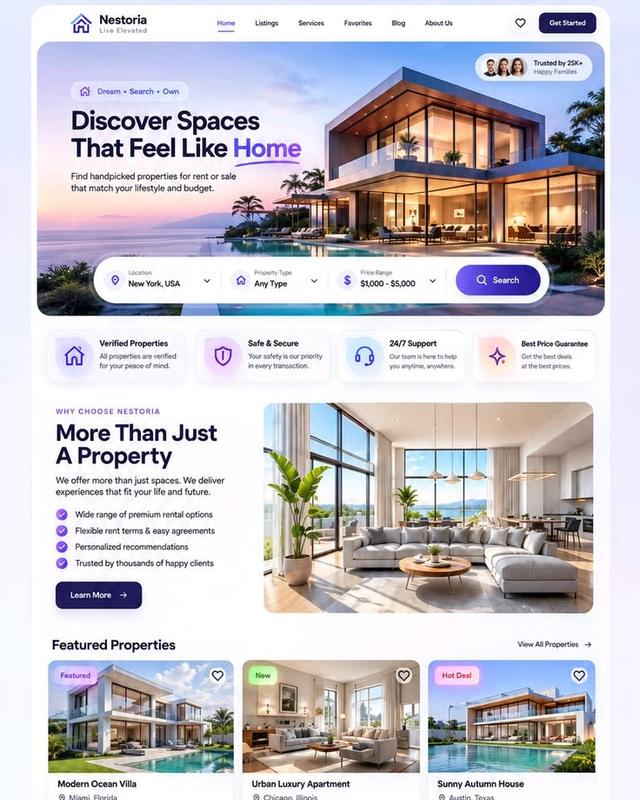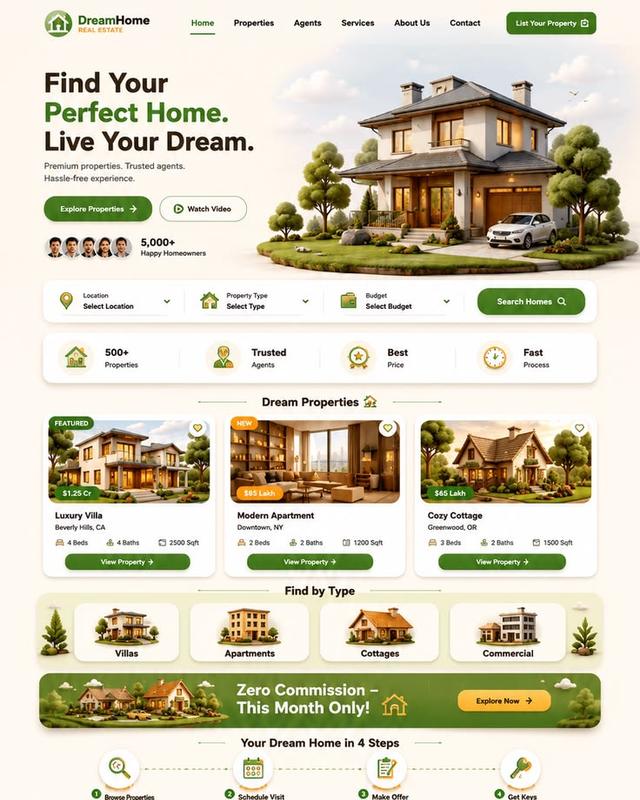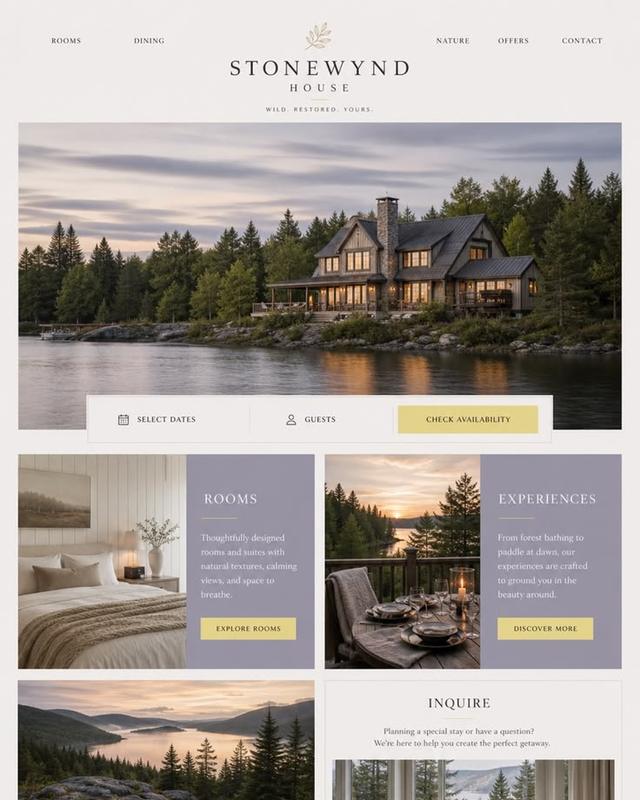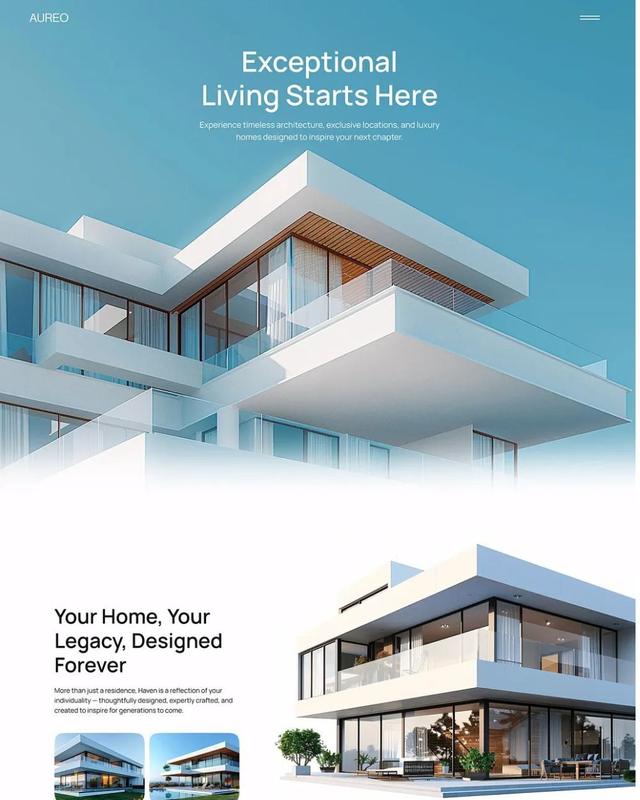


Nearly every home buyer in the US now starts their search online — and most decide within the first few seconds of loading a page whether to stay or bounce. For real estate brokerages, property managers, and PropTech companies, that makes real estate website development one of the highest-leverage investments you can make in 2026, not a line item to minimize.
A modern real estate website isn't a digital brochure anymore. It's a lead-generation engine that needs to sync live MLS data, load in under two seconds on a phone, rank locally on Google, and convert a stranger into a qualified lead before they ever pick up the phone. Get any one of those wrong and you're paying to send traffic straight to a competitor's site instead.
This guide breaks down what actually matters if you're planning a new real estate website or a redesign in 2026: the features buyers expect, what it costs, the mistakes that quietly kill conversions, and how to choose a real estate web development company that understands both sides of the job — the design and the lead pipeline behind it.
Why your website is still the center of your real estate marketing
The vast majority of home buyers use the internet during their search, and most say they'd seriously consider a home they found only online before ever contacting an agent. Mobile now drives the majority of real estate site traffic — buyers check listings the way they check social media, in short, frequent sessions throughout the day rather than one long sitting.
That behavior pattern has real consequences for how a real estate site needs to be built. Page speed isn't a nice-to-have; Google's Core Web Vitals are a confirmed ranking factor, which means a slow site doesn't just lose visitors to impatience, it loses local search rankings too. A site optimized for real estate website SEO and built for sub-two-second load times will consistently out-rank and out-convert a slower, prettier competitor.
Must-have features for a real estate website in 2026
- IDX/MLS integration. Live-syncing listing data is non-negotiable — stale or manually updated listings are the fastest way to lose buyer trust.
- Advanced, map-based search. Faceted filters for price, beds, school zone, and commute time, layered onto an interactive map, are what buyers now expect as the baseline experience.
- Virtual tours and video. 3D walkthroughs and video content have gone from a premium add-on to an expected feature, especially for out-of-area and investment buyers.
- AI-powered search and chat. A well-scoped AI assistant can answer listing questions instantly and qualify a lead at 11pm on a Sunday, routing anything serious straight to an agent.
- Lead capture built into every page, not just a contact page. Saved searches, property alerts, and gated content (like a neighborhood guide) all convert better than a single generic "Contact Us" form.
- CRM integration. Every inquiry and saved search should flow directly into your existing CRM with zero manual re-entry.
- Local SEO infrastructure. Neighborhood landing pages, schema markup, and a tightly connected Google Business Profile are what actually drive organic, high-intent traffic — not just a nice "About" page.
- Mobile-first, fast-loading design. Given how much real estate traffic is mobile, a site that isn't mobile-first is, in practice, not really finished.
- Accessibility (ADA/WCAG compliance). Digital accessibility lawsuits have risen sharply in recent years, and real estate sites are a frequently targeted category — this is now a legal risk item, not just a UX nicety.
What does a real estate website cost in 2026?
Costs vary widely because "a real estate website" can mean very different builds. A basic brochure-style site on a template or SaaS builder typically runs somewhere in the low thousands, sometimes structured as a monthly subscription instead of a one-time build. A custom site with real IDX/MLS integration is a bigger jump — usually a mid-four-figure to low-five-figure investment, plus an ongoing IDX feed fee. A full custom platform with AI-powered search, deep CRM integration, and a design built specifically around your brand and lead funnel is a larger investment still, and for multi-agent brokerages or PropTech platforms with more complex requirements, the number climbs further.
The honest advice we give every client: don't shop by price point first. Shop by what the site needs to do for your lead pipeline, then get it scoped against that — a cheap site that doesn't convert is the most expensive option in the long run.
Common mistakes real estate companies make with their websites
- Slow load times from unoptimized images and bloated templates — directly costs both conversions and Google rankings.
- Treating mobile as an afterthought instead of the primary experience most visitors will actually have.
- Burying the lead capture form instead of building capture points throughout the browsing experience.
- No CRM or follow-up automation, so leads go cold before an agent ever reaches out.
- Weak local SEO — no neighborhood content, no schema markup, a Google Business Profile that's an afterthought.
- Ignoring accessibility, which is increasingly a legal exposure issue as well as a UX one.
Choosing a real estate web development company
Look for a partner who talks about your website as a conversion system, not just a design project — one who can speak fluently about IDX integration, Core Web Vitals, and CRM workflows in the same breath as layout and branding. The right team scopes the build around your actual lead pipeline and growth goals, not a generic template package.
We've built exactly this kind of platform before — Unbroken Investing, our AI-matched real estate investment platform, and CrewIQ, our AI-powered workforce app — both grew out of the same question every real estate client brings us: how do we turn a website into a genuine growth channel instead of a static brochure.